Christian funeral services provide a structured environment where family and friends gather to honor the deceased while finding comfort in shared faith. These ceremonies typically include scripture readings, hymns, prayers, and reflections on hope and eternal life. Understanding the elements involved helps families prepare for the service with clarity and intention. However, the process involves more than just tradition, as personal touches and coordination with clergy play a significant role in shaping the experience.
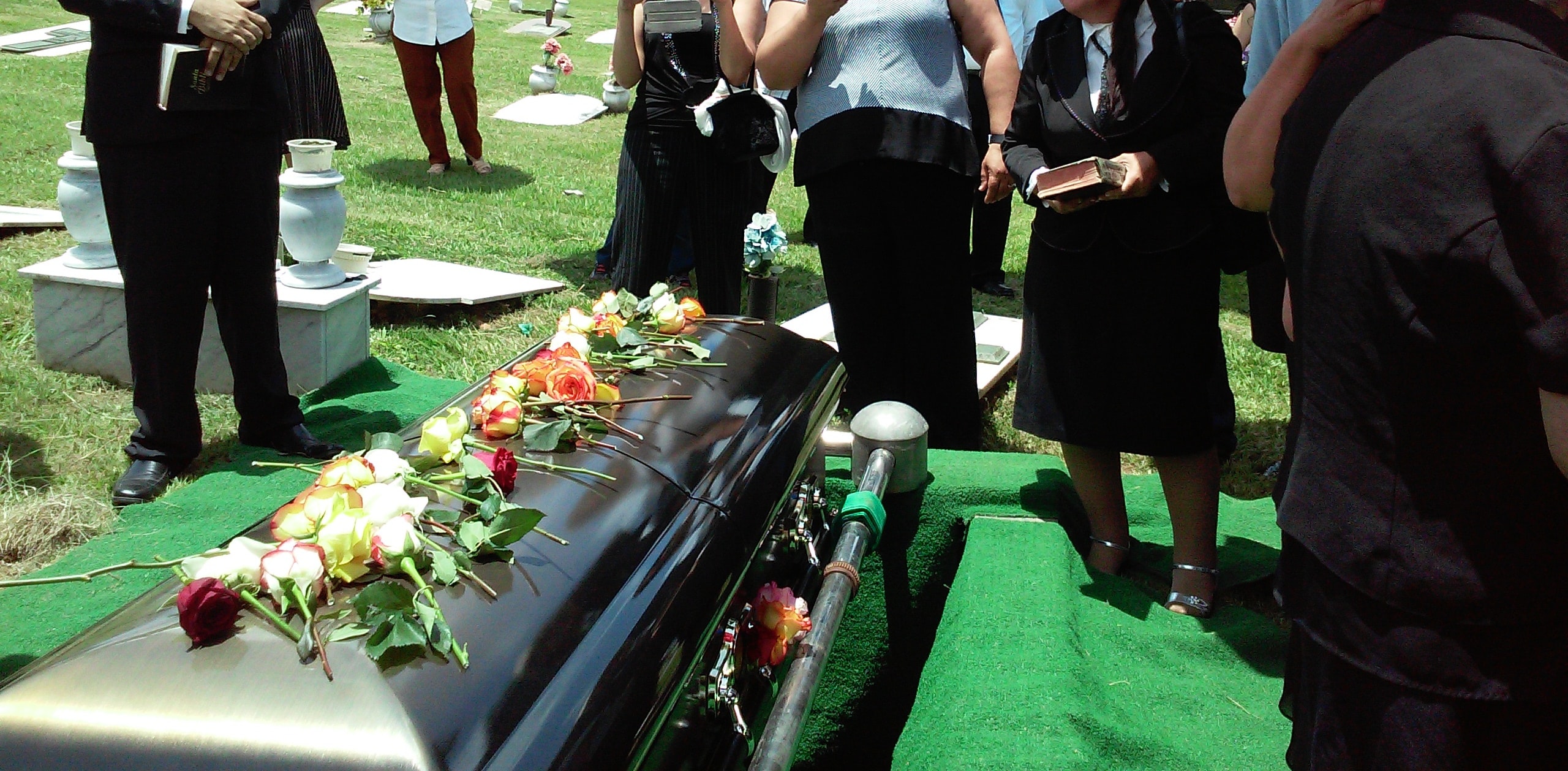
What to Expect in a Christian Funeral Service
How does a christian funeral service typically unfold? It generally begins with a gathering where mourners offer support and share memories. A clergy member often leads, providing words of comfort and reflection rooted in Christian beliefs about life, death, and hope beyond.
The service may include prayers, scripture readings, and hymns, fostering a sense of peace and community. Eulogies or personal tributes honor the deceased’s life and character.
The atmosphere balances solemnity with a celebration of faith and legacy. The conclusion often involves a final blessing and, if held at a gravesite, a brief committal ceremony. Throughout, the service respects individual expressions of grief while affirming spiritual freedom and hope in eternal life.
Choosing Scripture and Hymns for a Christian Funeral
The selection of scripture passages and hymns plays a significant role in shaping the tone and message of a Christian funeral service. Families often choose readings that reflect the faith and values of the deceased, offering comfort and hope to attendees.
Common scripture selections include Psalms, passages from the New Testament, and verses emphasizing eternal life and resurrection. Hymns are selected to complement these themes, fostering a sense of peace and spiritual reflection.
Choices can be personalized, reflecting the unique beliefs and preferences of the individual and their loved ones. This flexibility allows for meaningful expression within the framework of Christian tradition, helping to honor the life lived while providing solace to those left behind.
Planning the Funeral Service Order
Establishing a clear funeral service order guarantees a respectful and meaningful flow that honors the deceased and supports mourners.
The sequence typically begins with a welcome and opening prayer, setting a solemn tone.
Scripture readings and hymns follow, selected to reflect the life and faith of the departed.
Personal tributes or eulogies may be included, offering space for remembrance and reflection.
A sermon or message often underscores hope and comfort grounded in Christian belief.
The service usually concludes with a final prayer, benediction, and sometimes a closing hymn.
Flexibility in the order allows families to incorporate unique elements while maintaining reverence.
Thoughtful planning secures the service flows smoothly https://hongenlife.com/en, fostering an environment where attendees can grieve and celebrate life freely and authentically.

Working With Clergy and Funeral Staff
Coordinating with clergy and funeral staff guarantees that the service proceeds smoothly and respectfully. Clergy members provide spiritual guidance, lead prayers, and deliver messages aligned with Christian beliefs, ensuring the ceremony reflects faith traditions.
Funeral staff handle logistics such as transportation, setup, and timing, facilitating a seamless experience. Clear communication with both parties helps avoid misunderstandings and allows for flexibility within established protocols.
Families are encouraged to express their preferences openly, promoting collaboration while respecting the roles of clergy and staff. This partnership supports an environment where the ceremony honors the deceased with dignity, while accommodating the needs and freedoms of those planning the service.
Efficient teamwork among all involved is essential in maintaining a balanced and meaningful funeral experience.
Personalizing the Funeral Service for Your Loved One
Honoring a loved one through a personalized funeral service allows family and friends to reflect unique aspects of their life and faith. Personalization can include selecting meaningful scripture readings, favorite hymns, or incorporating special rituals that resonate with the individual’s beliefs.
Families may choose to share stories or display photographs and mementos that showcase the deceased’s character and passions. This approach provides space for genuine expression, enabling attendees to connect deeply with the service.
Flexibility in structure and content respects diverse traditions and personal preferences, fostering a sense of freedom in commemorating the departed. Ultimately, a personalized funeral service honors the individual authentically while offering comfort and closure to those gathered.
Conclusion
A Christian funeral service provides a meaningful framework for honoring the deceased while offering comfort through faith and community. By thoughtfully selecting scripture, hymns, and personal tributes, families can create a respectful and hopeful atmosphere. Collaboration with clergy and funeral staff guarantees the service reflects the individuality of the loved one. Ultimately, the ceremony fosters healing and closure, grounded in the promise of resurrection and eternal life.